What If Omega Protein Stopped Menhaden Fishing?
As the founder of the conservation organization Menhaden Defenders, I’m often asked this question. In this piece, I’ll provide an educated guess about some of the potential effects of Omega Protein ceasing its menhaden fishing operations.
Omega Protein is the last remaining company in the East Coast Menhaden-reduction fishing industry. "Reduction fishing" refers to the process of grinding fish into fish meal and oil. If Omega Protein were to suddenly halt its harvesting of menhaden, it would shake things up ecologically, economically, and across the industry.
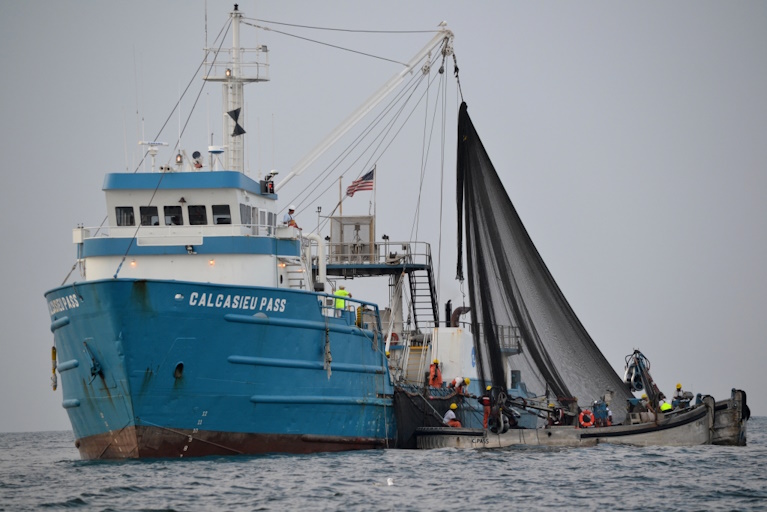
One of the most immediate effects would likely be a rebound in menhaden populations. These small forage fish are a vital food source for many predators, including striped bass, bluefish, tuna, and ospreys. An increase in menhaden would lead to healthier marine ecosystems, cleaner water (as menhaden filter algae, plankton, and other particles), and better conditions for predator fish. This would contribute to a more balanced Atlantic ecosystem and, in turn, improve recreational and commercial fishing.
Omega Protein processes menhaden into fishmeal and fish oil, primarily for use in aquaculture (such as farmed salmon), pet food, and dietary supplements. If they stopped, pet food companies would be forced to find alternative, hopefully sustainable, protein sources. This could drive up pet food prices, impacting pet owners and potentially changing the types of ingredients used in these products.
The cessation of Omega Protein’s operations would also result in significant job losses in Reedville, Virginia, where the industry is the primary economic driver. However, the coastwide trap bait sector, which supplies whole menhaden for lobster and crab fishing, might have an opportunity to expand. Local operators could increase their harvests and even invest in processing facilities to meet the rising demand. Without Omega Protein in the lead, smaller bait harvesters could also experience less competition, benefiting both the recreational fishing industry and the local bait sector.
On the flip side, recreational anglers might encounter purse seine netters and spotter planes working inshore and in backwaters. This could lead to localized Menhaden depletion, negatively affecting gamefish abundance at certain times of the season. In New Jersey, we might even see the return of pound nets along the Bayshore, a traditional method of menhaden fishing.
For lobster and crab fishermen, the long-term benefits could outweigh the challenges. With less pressure from reduction fishing, the bait supply could stabilize, providing more plentiful and affordable menhaden for these fisheries. A healthier marine ecosystem could also result in more food for crabs and lobsters, further benefiting those industries.
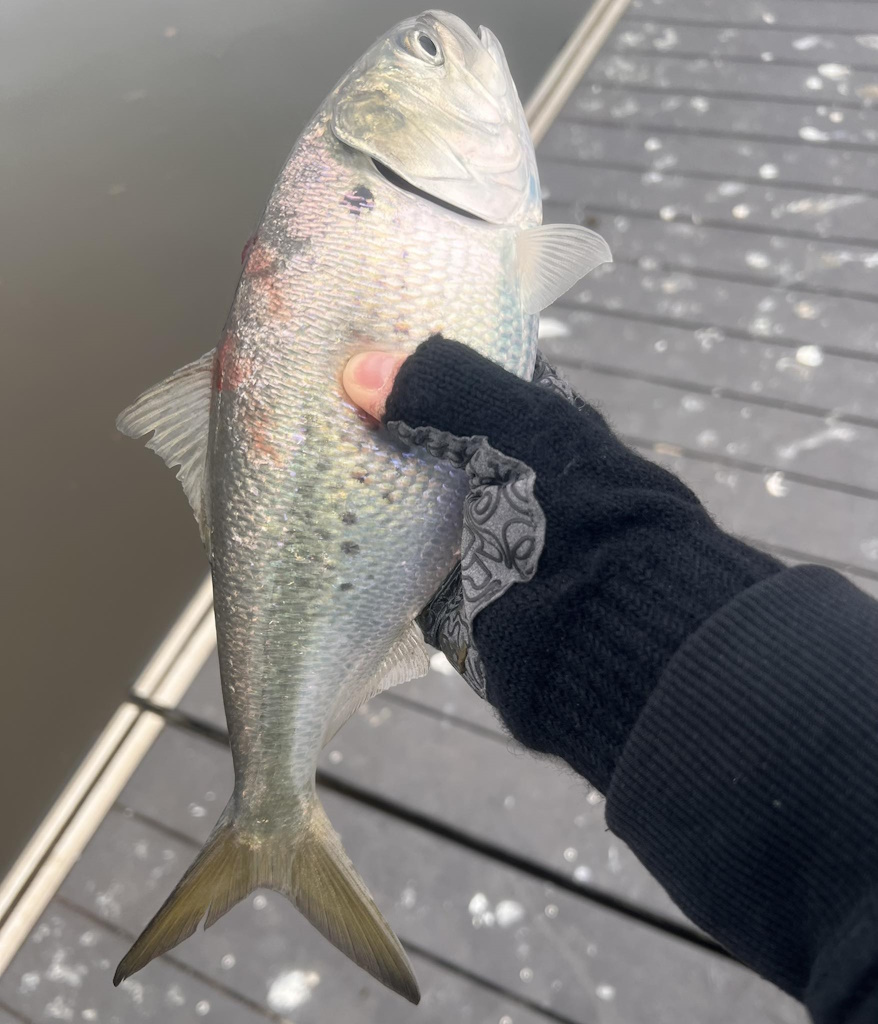
In 2024, an investigation looked into the decline of osprey nests along parts of the East Coast. Experts believe the absence of menhaden in key backwater estuaries, a primary food source for ospreys, may be a contributing factor. If Menhaden populations increase, we could see more successful osprey nests, and the same could be true for bald eagle populations. Marine mammals, such as bottlenose dolphins and humpback whales, which also feed on menhaden, would have a more abundant food source. In New Jersey, we’ve already seen how an increase in menhaden populations has enhanced the coastal experience for boaters, fishermen, and beachgoers over the past decade. Whale watching, along with striped bass and tuna fishing here in the NY/NJ Bight has been spectacular, largely due to the abundance of Menhaden attracted to the nutrient rich Hudson and Raritan River outflows.
In conclusion, if Omega Protein were to step back from the menhaden fishing industry, coastal ecosystems would likely experience a significant boost. Gamefish, like striped bass and bluefish, along with seabirds and marine mammals, would benefit from a more stable and abundant food supply. As the system gradually returns to a more natural balance, the entire Atlantic coastal ecosystem could thrive. This could be a pivotal moment for coastal communities, marine life, and the fishing industry to collaborate for a healthier, more sustainable future.